







Search Results for: independent café operations
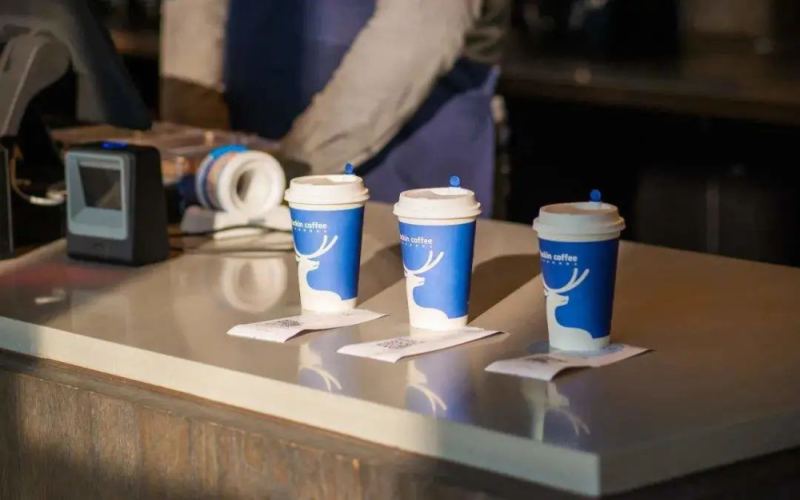
How Independent Coffee Shops Can Survive Between Luckin and Starbucks: The Breakthrough Path of Differentiated Operations and Warm Service
The number of coffee shops has surged dramatically, and it is no longer unusual to find a dozen or even twenty cafés clustered on the same street. Independent cafés now account for more than 70% of all coffee shops nationwide. Yet in areas crowded with chain brands such as Luckin, Starbucks, and Manner, the survival space for independent shops has been greatly squeezed. Drawing on industry data and failed case studies, this article explores strategies for independent cafés to break through in terms of interior design style, business philosophy, and customer return rate. It emphasizes building core competitiveness through warm service, personalized experiences, and distinctive products, rather than blindly following marketing trends. [more…]
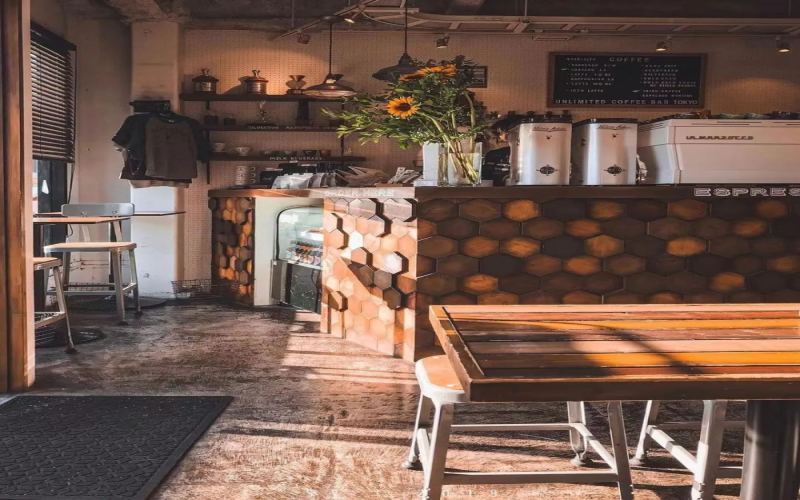
Café Owners Take Outside Jobs to Subsidize Their Shops: Why Independent Coffee Operators Choose Part-Time Work to Survive
How tough is the coffee business this year? Many independent café owners have found that store revenue alone is no longer enough to support themselves, let alone get rich from coffee. To keep the small shops they poured their hearts into, some have pivoted to food service, some have thrown themselves into social media marketing, some have launched membership top-up schemes to lock in regulars, and some owners have simply chosen to take outside jobs, using their wages to subsidize the café's daily expenses. How do these "re-employed baristas" juggle their main business and side gigs? And are employers willing to hire someone who is themselves a fellow café owner? This article takes you inside the real circumstances of these coffee operators who persist out of love. [more…]

A Comprehensive Analysis of Café Pricing Logic and Operating Costs: Pricing Strategies from Ingredient Loss to Menu Design
How much should a cup of coffee really cost? Why are prices at independent cafés generally higher than those at chain brands? This article systematically sorts out the inner logic of coffee pricing from three dimensions: café positioning, menu design, and raw material cost control. It breaks down in detail the method for calculating the original price ratio, analyzes the cost ranges of espresso beans and milk, and uses a double shot as an example to estimate the raw material cost per cup. At the same time, it offers café operators practical advice on menu planning and material procurement, helping readers understand the real considerations behind independent cafés' pricing. [more…]

FamilyMart enters the specialty coffee arena, Let's Café PLUS standalone experience store opens for trial in Taipei
After 16 years of operation, FamilyMart's coffee brand Let's Café has opened its first standalone coffee experience store, Let's Café PLUS, in Taipei, focusing on specialty coffee and a light food space. The store adopts a deep blue brand color scheme and offers single-origin coffee, cold brew, sparkling coffee, and other series, with the most expensive drink being the limited-edition Taiwan Yunlin Gukeng Geisha cold brew coffee. It also serves Twinings tea drinks, smoothies, and nearly 30 light food items, while continuing its environmental protection philosophy. In Taiwan, China, FamilyMart's Let's Café annual sales have reached 160 million cups, with a target of 200 million cups in 2023, and single-origin coffee is growing at an annual rate of 15%-20%. For more specialty coffee bean information, follow Front Street Coffee (FrontStreet Coffee), WeChat ID: qjcoffeex. [more…]
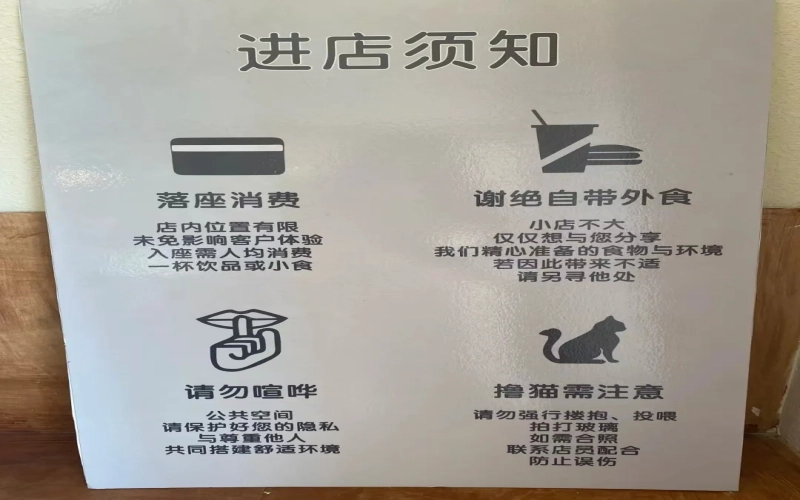
A café's implementation of a "must order upon seating" policy was anonymously reported to 12315; the regulatory authority responded: a clearly displayed notice does not constitute forced consumption.
In chain brands and independent cafés alike, the phenomenon of customers occupying seats without ordering has long plagued operators. Recently, a café owner faced negative reviews and was then anonymously reported to 12315 for setting a rule requiring a purchase to be seated, sparking widespread attention. Regulatory authorities made it clear that if there is a clear notice in the store, it does not constitute forced consumption. This article reviews the course of events, combines lawyers' views with the current state of the industry, explores the legal boundaries of consumption-based seating and the survival difficulties of independent cafés, and also provides reference and lessons for others in the industry. [more…]
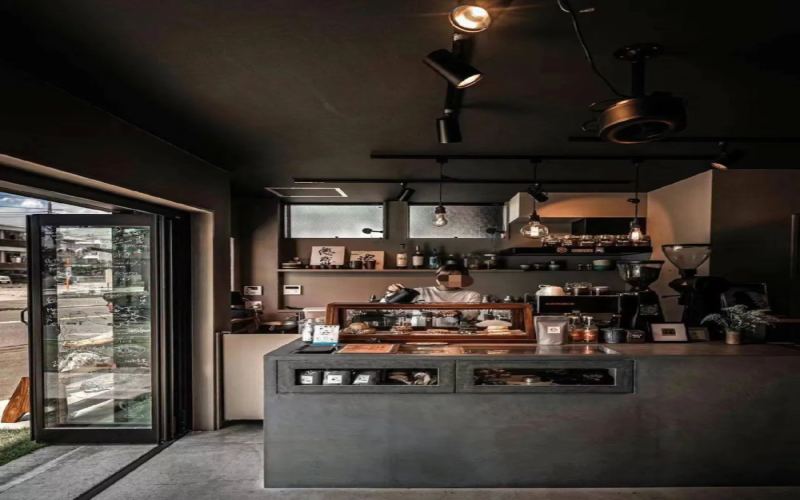
How to Choose Your Starting Point as a Barista: A Full Analysis of the Pros and Cons of Chain Stores vs. Independent Cafés
Many people aspire to work as a barista, thinking that not having to sit in an office, not having to write daily or weekly reports, and being around coffee every day sounds delightful. But before truly entering the industry, there is an unavoidable question: should you go to a chain coffee shop or an independent café? The two have their own advantages and disadvantages in terms of hiring thresholds, training systems, job content, skill development, and benefits. Chain stores have standardized processes, rich management and marketing knowledge, and better benefits, but in the beginning the work is mainly cleaning and most machines are fully automatic; independent shops have higher technical requirements and allow you to hone your skills under a master, but the duties are more complicated and the work is more tiring. Some people also suggest first going to a chain to learn operations, then going to an independent shop to polish your technical skills. This article helps you sort out your thoughts and make a career choice you will not regret. [more…]
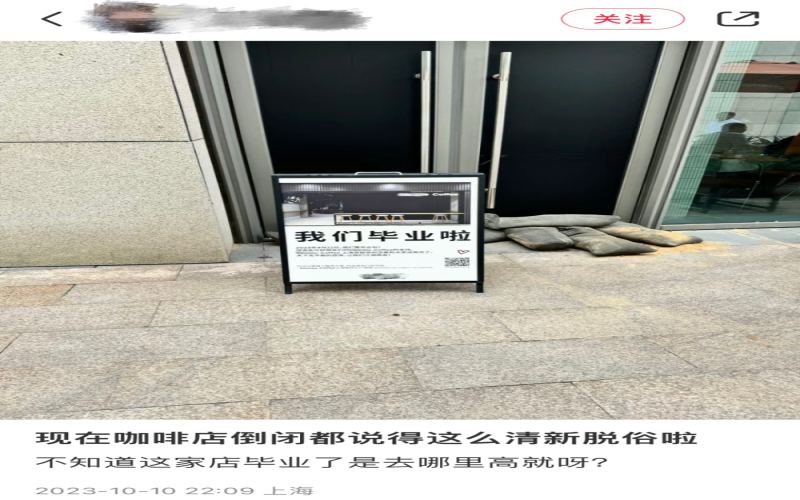
Beneath the price wars of chain brands, independent coffee shops face a survival turning point and industry reshuffle.
When major chain coffee brands launched an all-out price war, independent coffee shops were pushed to the brink of survival. Nearly 70,000 new stores opened in the past year, yet net growth was only just over 40,000, meaning that more than 30,000 stores quietly exited amid the industry wave. From closing notices saying "We've graduated" to store owners each seeking their own way out—transferring their shops to cut losses, offering discounts, building differentiation, or even leaving the coffee industry altogether—the survival plight of independent coffee shops can no longer be avoided. An imbalance between supply and demand, consumers' growing preference for standardized chain brands, and cutthroat price competition—these factors together form the real picture of today's coffee market. This article examines the many faces of independent coffee shops under siege by chain brands and explores the logic behind the industry reshuffle and the way forward. [more…]
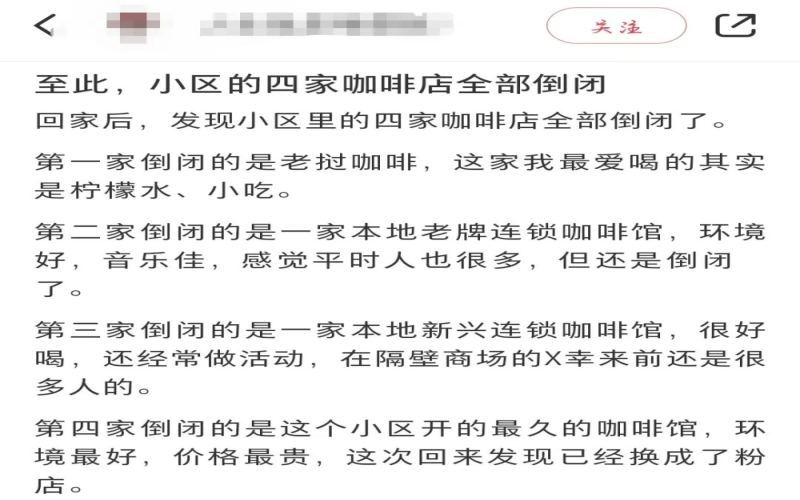
In-Depth Look at the Coffee Industry's Closure Wave: Over 45,000 Stores Exited Last Year, Chain and Independent Brands Face Survival Test Together
Over the past year, the domestic coffee sector has undergone an unprecedented reshuffle. Data from Zhaomen Canyan shows that nearly 53,000 new stores opened in the past year, but net growth was only just over 6,000, meaning more than 45,000 coffee shops have quietly exited. From the microcosm of all four coffee shops in a residential compound shutting down, to the sharp contraction of chain brands such as Benlai Budgaiyou and Seesaw, to top brands like Starbucks and Manner adjusting their store layouts, the wave of closures has swept across operators of different scales. At the same time, coffee bean futures prices hit a record high, and with cost pressure compounded by market saturation, many coffee shop owners find it hard to be optimistic about the outlook. This article reviews industry data and typical cases to present this hard battle over the survival of stores. [more…]
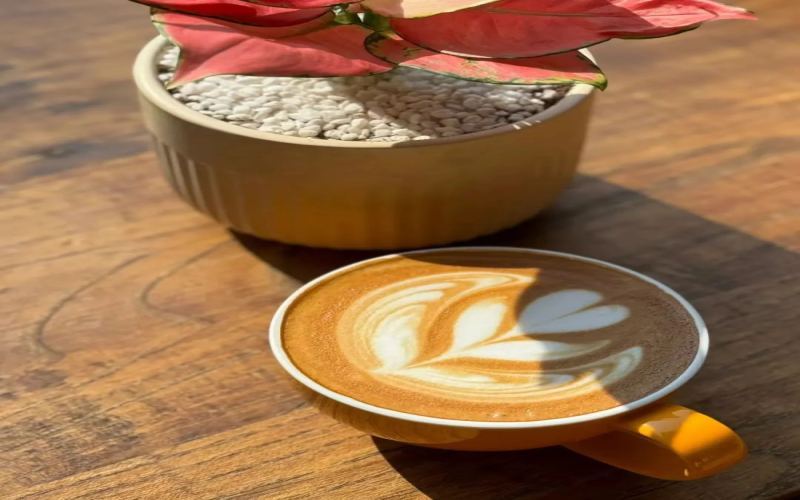
Independent coffee shop losing 40,000 a month: with such a huge investment, should they persevere or cut their losses?
People keep entering the coffee industry, and others quietly bow out. One café owner invested nearly 2 million yuan upfront and is now losing as much as 40,000 yuan a month, so he launched an online poll asking whether he should keep going. Faced with steep transfer fees, rent, and operating costs, eighty percent of netizens advised him to cut his losses in time. The owner ultimately decided to fight on for four more months, trying to save himself by adding food combos, extending business hours, and creating an atmospheric space. This article lays out in detail his entrepreneurial predicament, netizens' views, and the overall state of the coffee industry, offering a reference for coffee lovers and entrepreneurs. [more…]
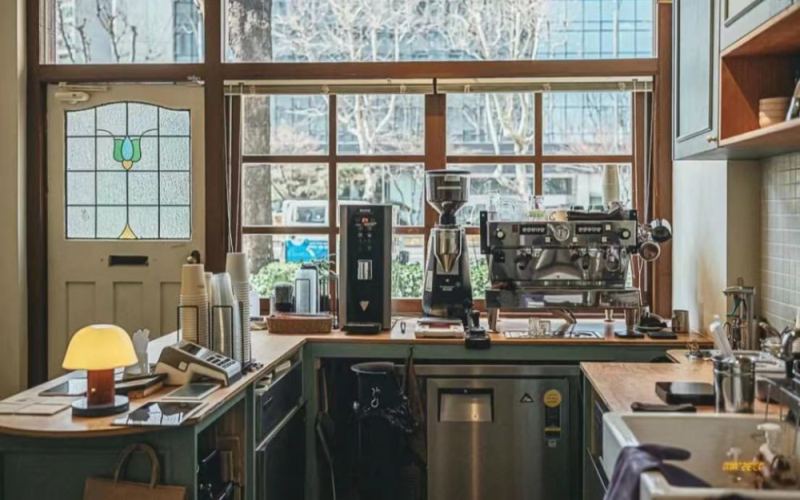
Is It Reliable to Quit Your Job and Open a Coffee Shop? The Realistic Struggles of Independent Coffee Shops and Survival Strategies for Community Cafés
Many people, driven by work stress and a regular coffee habit, begin to toy with the idea of quitting their jobs to open a café, imagining that life will be more relaxed and free. But is running a coffee shop really that easy? Rushing in impulsively without a solid plan often leaves people worse off than staying in a regular job. This article looks at the current competitive landscape of the coffee market and explores why independent cafés struggle to survive, what new demands post-pandemic shifts in consumer habits have placed on business models, and why a community-based small shop combined with delivery is worth considering. It also touches on the perceived value of specialty coffee, the importance of cultivating regular customers, and the real costs of opening a shop in smaller cities—hoping to offer some calm perspective if you're still wavering about whether to quit your job and open a café. [more…]
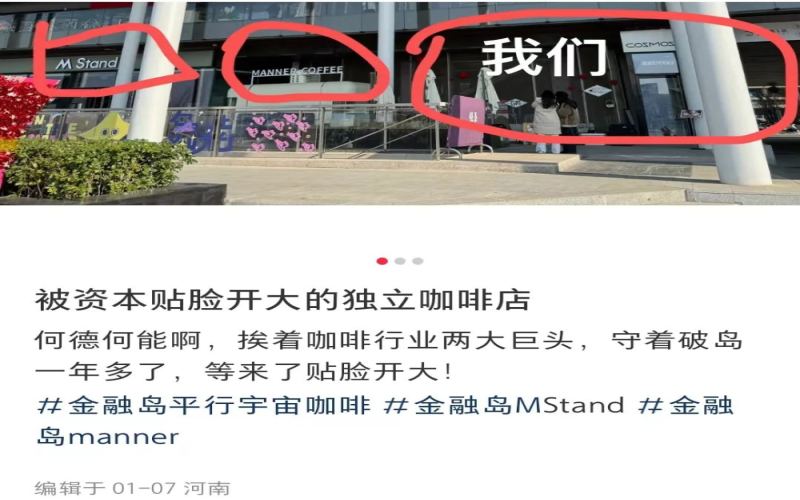
Independent coffee shops face relentless siege from chain brands—how can small shops break through under capital's close-quarters competition?
A café owner who runs an independent coffee shop recently posted about how two chain brands, M Stand and Manner, had moved in one after another right next to his store, and how a turf he had held for more than a year was suddenly "challenged head-on" by capital. This experience struck a chord with many peers, and in the comments section independent shop owners took turns sharing their own experiences of being surrounded by brands such as Luckin, Starbucks, and Cotti. Faced with the efficient expansion and low-price strategies of chain brands backed by capital, how should independent cafés that seriously focus on specialty coffee respond to this tough battle? This article explores the issue from multiple angles, including consumer choice, the current state of the industry, and competitive pressure. [more…]
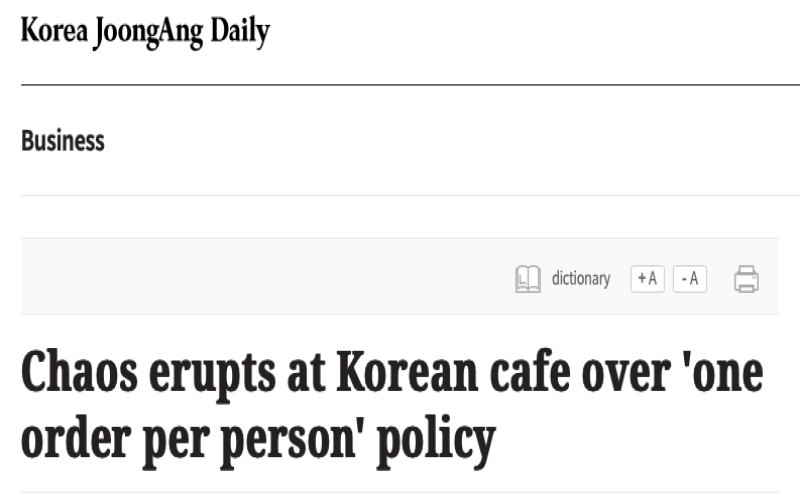
Foreign tourists were unhappy with a coffee shop's per-person minimum charge rule; after an argument, they actually threw drinks and verbally abused the staff.
Recently, an independent coffee shop in Seoul, South Korea, got into a conflict with five Chinese-speaking foreign female tourists over its dine-in rule of "one drink per person." The tourists ordered only two drinks but wanted to seat five people; when asked to order three more drinks, they refused and an argument broke out. As they were leaving, one tourist poured an unfinished drink onto the sofa and table, while her companions made obscene gestures at the manager who chased after them and hurled insults. The incident sparked anger among South Korean netizens. Independent coffee shops frequently clash with customers over house rules, and Front Street Coffee reminds us that understanding and respecting a shop's rules is the prerequisite for enjoying coffee culture. [more…]
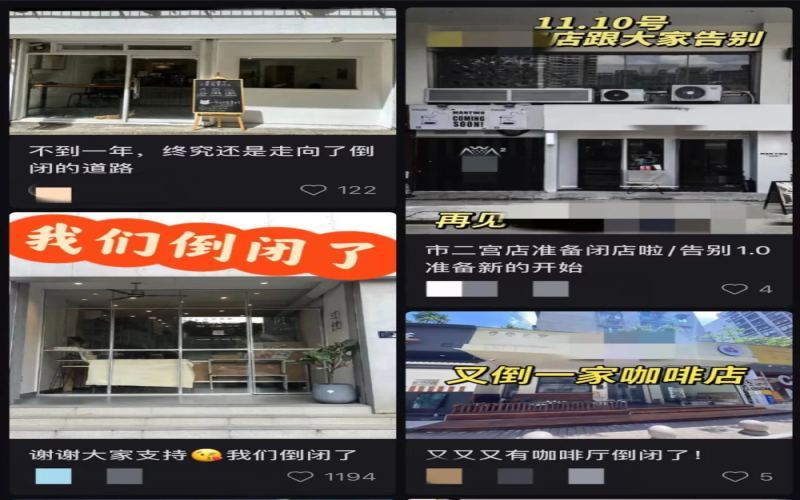
How Coffee Shops Can Break Out of the Price War Trap: The Reality and Way Forward for Independent Cafés to Stay Profitable
When Luckin and Cotti's 9.9-yuan price war swept the market, a large number of coffee shops went bankrupt amid fierce competition. A Shanghai coffee shop owner recently shared his real situation: although delivery order volume grew, profits still could not cover costs, and he remained short of the break-even line. Can the low-price strategy be sustained? How can independent stores find room to survive in the cracks between chain brands? Starting from one shop owner's personal experience, combined with netizens' suggestions and industry realities, this article explores the key path to break-even operation for coffee shops—from pre-opening cost planning and store positioning to differentiated products and customer loyalty building—providing coffee practitioners with a practical business reference. [more…]
Competition in the coffee industry is white-hot, so why is it still so hard for baristas to find a job?
It's job-hunting season again, and many job seekers see barista as an ideal career, believing that the rapid growth of the coffee industry brings abundant opportunities. Yet in the actual job-hunting process, they find that this job is not easy to land. From experience and certification requirements to age and appearance restrictions, and from the gap between salary and job duties, job seekers face challenge after challenge. Chain brands and independent cafés each have their pros and cons, and how to choose becomes the key. This article takes an in-depth look at the plight of barista job seekers, explores the current state of the industry and paths for personal development, and offers practical advice for job seekers. [more…]

Coffee shop sparks debate with 10+ age restriction, lawyer says businesses have the right to set their own operating rules
A coffee shop known for being a photo hotspot has sparked widespread discussion on social media after posting a notice stating "only customers aged 10 and above are served." The owner says the move was a last resort, citing frequent incidents of children making noise, damaging facilities, and even creating safety hazards. Some parents are puzzled by the rule, arguing that 10-year-olds already have some self-control, while some netizens question whether it amounts to discrimination against children. In response, lawyers point out that businesses have the right to operate independently and can set reasonable rules based on their positioning, which does not constitute discrimination, but they suggest clearly explaining the reasons to gain understanding. Behind the incident lies the dilemma cafes face in balancing ambiance and customer experience. [more…]

Home café launches nationally free-shipping freshly extracted espresso; short-shelf-life cold chain model sparks heated debate and compliance questions
Coffee consumption continues to heat up, and the market keeps penetrating into broader demographics. Recently, home cafés and independent shops have launched a freshly ground and freshly extracted espresso liquid that offers nationwide free shipping. It uses plastic sealing plus ice packs and cold-chain delivery, keeps for about 7 days refrigerated and up to half a month frozen, and has drawn attention because its aroma and crema performance are better than assembly-line instant products. While consumers ask on social platforms how to buy it, some also question whether it can still count as "freshly extracted" after long-distance transport, whether home workshops can meet food-safety requirements, and whether such products fall into the "three no's" category. This article sorts out the selling points, controversies, and potential risks of this new business format, and highlights the difficulties merchants need to face in quality control, marketing, and compliance. [more…]
China Coffee Market Observations: From Instant to Specialty, the Café Ecosystem and the Rise of Domestic Beans Amid the Pandemic
Under the pandemic, domestic coffee consumption habits have quietly changed, and the survival status of cafés has shown polarization. On one hand, chain brands are accelerating their expansion and staking out territory; on the other, independent shops are retaining loyal customers through distinctive flavors. From an average of 3 cups per person per year to the growth of the middle class, from the leap in the quality of Yunnan beans to meticulous experiments with processing methods, Chinese coffee is undergoing a critical period from quantitative change to qualitative change. This article sorts through market data, brand trends, and progress in producing areas, while also comparing the evolution path of coffee in Taiwan, and brings product recommendations from Front Street Coffee, presenting a complete industry picture for enthusiasts. [more…]

Opening a coffee shop requires waking up early? The logic behind the ever-earlier opening hours of independent cafés
Once upon a time, opening a coffee shop was seen as the ideal way to escape the 996 grind and enjoy a slow life. However, upon truly stepping into this industry, many shop owners find reality vastly different from their imagination—early rising becomes an unavoidable daily routine. In recent years, the opening hours of independent cafes have been getting earlier and earlier, with some even lighting up at six in the morning to welcome customers. What is driving this wave of competition over early-morning coffee? How are chain brands and private shops each responding? From the consumer habit of coffee in the morning and alcohol at night to the late-night needs of special professions, the survival model of coffee shops is quietly changing with customer demands. This article will take you through the story behind the changes in business hours in the coffee industry. [more…]
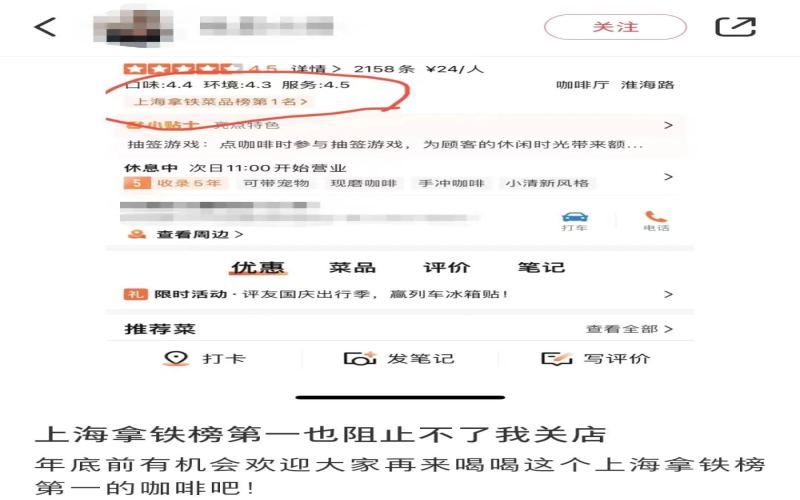
Even the top-ranked Shanghai latte spot couldn't escape it—an independent coffee shop that had been operating for five years announced it will close at the end of the year.
Shanghai is home to over nine thousand coffee shops, and its rich coffee culture has made the city one of the most vibrant places for coffee in the country. However, such a large number of shops also means exceptionally fierce competition. Recently, an independent coffee shop that once topped Shanghai's latte rankings suddenly announced it would close at the end of the year, drawing widespread attention from nearby customers and industry peers. The owner admitted that business conditions were not the main reason, but that the thought of stepping away had taken root since the pandemic restrictions were lifted. This incident reflects the survival struggles of independent coffee shops today amid the expansion of chain brands and cutthroat industry competition, and it also prompts a fresh look at the accelerating turnover and renewal of the coffee market. [more…]
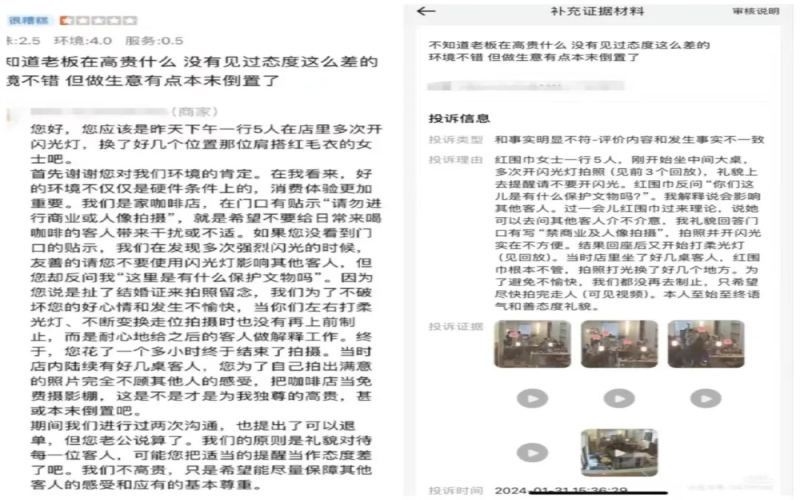
Independent Coffee Shops Plagued by Negative Reviews: The Business Pain Caused by Customers' Unauthorized Photography
Under the double pressure of chain-brand expansion and the post-pandemic economic downturn, independent coffee shops are finding it increasingly hard to stay afloat. Many small cafés barely survived three years of the pandemic, only to choose to close during the recovery period to cut their losses—partly out of economic helplessness, and partly because customer disputes left them disheartened. This article recounts one shop owner's experience of a customer illegally using a flash to take photos, then leaving a bad review afterward, with no recourse through appeals—reflecting the real difficulties and emotional toll independent cafés face in their day-to-day operations. [more…]